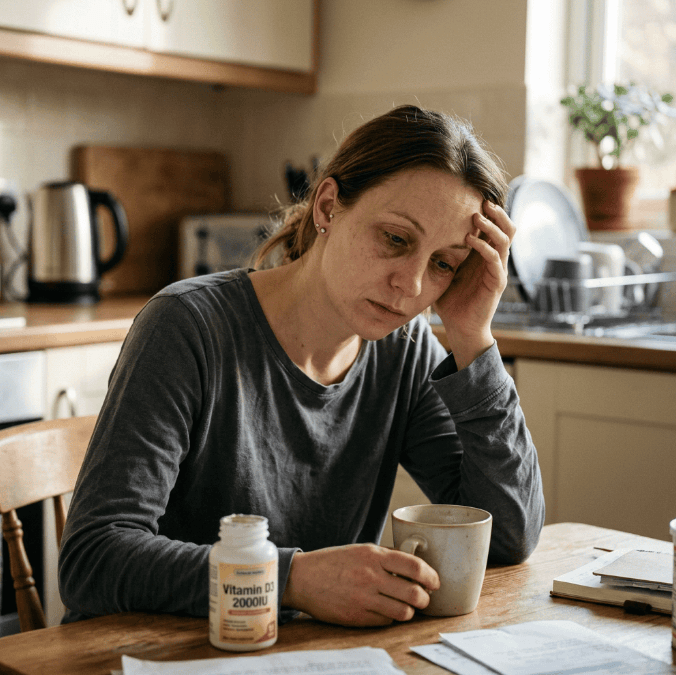
According to a report from 2021 by FSSAI, almost 80% of Indians are vitamin D deficient, which is quite alarming, especially because India is among the sunny countries. Limited sun exposure, darker skin, dietary habits, pregnancy, breastfeeding, and certain medical conditions cause vitamin D deficiency.
Many people experience low persistent fatigue, muscle weakness, or bone pain without realising these are low vitamin D symptoms. Since vitamin D helps in maintaining healthy bones, muscles, nerves, and the immune system, a deficiency can affect many parts of the body.
Recognizing the early symptoms of low vitamin D can help you save yourself from getting osteoporosis, frequent infections, muscle weakness, and other health problems.
In this article, we’ll discuss the most common low vitamin D symptoms, the causes of vitamin D deficiency, how it is diagnosed,the best vitamin D-rich foods.
What Is Vitamin D?
Vitamin D is a fat-soluble vitamin that helps your body absorb calcium and phosphorus. These two minerals are essential for maintaining strong bones and teeth.
Unlike other vitamins, the body can produce vitamin D when exposed to sunlight.
Vitamin D plays an important role in many body functions, including:
- Maintaining healthy bones and teeth
- Supporting muscle strength
- Helping the immune system fight infections
- Supporting nerve function
- Reducing inflammation
- Maintaining normal calcium and phosphorus levels
When your body doesn’t absorb calcium and phosphorus effectively, it can really affect your bones and muscles.
Why Do People Develop Low Vitamin D?
There could be several factors that would lead someone to a vitamin D deficiency. While anyone can develop vitamin D deficiency, some factors make women more likely to experience low vitamin D symptoms.
1. Limited Sun Exposure
Sunlight is the main source of vitamin D. If you spend most of the time indoors, cover yourself while going outdoors, or regularly use sunscreens, your body may produce less vitamin D.
2. Darker Skin Tone
People with a darker skin tone have more melanin, which reduces their skin’s ability to produce vitamin D from sunlight.
They need longer sun exposure to produce the same amount of vitamin D as someone with a lighter skin tone.
3. Poor Dietary Intake
Very few foods contain Vitamin D, and someone who doesn’t eat eggs, fish, dairy products, or fortified foods may find it harder to get vitamin D through diet.
People with a vegan or vegetarian diet are at higher risk because most of the natural sources of vitamin D are in animal-based food products.
4. Pregnancy and Breastfeeding
During pregnancy and breastfeeding, the body’s requirements increase to support both the mother and the baby.
If the body’s requirements are not met during these stages, it may lead to deficiency.
5. Increasing Age
As people get older, the body’s ability to produce vitamin D reduces significantly. Also, older people are less likely to spend time outdoors, which would further increase the risk of deficiency.
6. Obesity
Vitamin D is stored in fat. People with obesity have more vitamin D trapped in fat tissue, which leaves less vitamin D available for the body to use.
This increases the likelihood of developing low vitamin D levels.
7. Digestive Disorders
Certain medical conditions can reduce the body’s ability to absorb vitamin D from food.
These include:
- Celiac disease
- Crohn’s disease
- Ulcerative colitis
- Cystic fibrosis
- Previous weight-loss (bariatric) surgery
8. Kidney or Liver Disease
The liver and kidneys help convert vitamin D into its active form.
Diseases affecting these organs can interfere with this process and contribute to vitamin D deficiency.
9. Certain Medications
Some medicines can reduce vitamin D absorption or increase its breakdown in the body.
Examples include:
- Corticosteroids
- Some anti-seizure medicines
- Certain weight-loss medications
- Cholesterol-lowering medicines that reduce fat absorption
Low Vitamin D Symptoms
The low vitamin D symptoms often develop slowly and are often mistaken for stress, aging, or other health conditions.
Here are the most common low vitamin D symptoms you should be aware of:
1. Constant Fatigue and Low Energy
Persistent tiredness is one of the common symptoms of low vitamin D.
Vitamin D helps support muscle function, the immune system, and overall energy production. If you are vitamin D deficient, you may constantly feel tired even after getting an adequate amount of sleep.
However, fatigue can also result from iron deficiency, vitamin B12 deficiency, thyroid disorders, or any other health issues.
2. Bone Pain
Vitamin D is essential for the absorption of calcium and maintaining healthy bones.
Low vitamin D can cause:
- Bone pain
- Tenderness
- Discomfort in the lower back, hips, pelvis, or legs
If you have persistent bone pain, you should consult a healthcare professional.
3. Muscle Weakness
This is another very common low vitamin D symptom.
Many women notice difficulty with activities such as:
- Climbing stairs
- Carrying groceries
- Standing up from a chair
- Walking long distances
4. Frequent Illnesses or Infections
Vitamin D helps regulate the immune system and supports your body’s ability to fight infections.
People with vitamin D deficiency may experience:
- Frequent colds
- Recurrent respiratory infections
- Slow recovery from illness
5. Hair Loss
Hair loss can happen due to many possible reasons, such as hormonal changes, stress, thyroid disorders, iron deficiency, and nutritional deficiencies.
Some research suggests that vitamin D deficiency may contribute to certain types of hair loss, such as alopecia areata.
6. Mood Changes or Depression
Low vitamin D can also cause mood changes in some people.
Some women with vitamin D deficiency report:
- Feeling unusually low
- Irritability
- Reduced motivation
- Symptoms of depression
It is important to note that vitamin D deficiency is not the only cause of depression.
Mental health symptoms should always be discussed with a qualified healthcare professional.
7. Frequent Bone Fractures or Osteoporosis
One of the most serious complications of vitamin D deficiency is weakened bones.
Vitamin D helps your body absorb calcium, which is essential for maintaining bone strength. Without enough vitamin D, bones can become thin, brittle, and more likely to break.
Women, particularly after menopause, are at a higher risk of osteoporosis because estrogen levels decline, making adequate vitamin D even more important for bone health.
Who Is Most at Risk of Vitamin D Deficiency?
Anyone can develop a vitamin D deficiency, but some people are more prone to have low vitamin D levels than others.
1. Women
Women are at a higher risk of developing vitamin D deficiency because of hormonal changes, pregnancy, breastfeeding, and menopause. This is why they are also more likely to develop osteoporosis.
2. Older Adults
As mentioned earlier, as people grow older, the body’s ability to produce vitamin D reduces. Older people are less likely to spend time outdoors, which would further increase the risk of deficiency.
3. People with Limited Sun Exposure
Anyone who spends most of their day indoors or covers themselves while going outdoors may not produce enough vitamin D.
These people could be:
- Office workers
- Students
- People working night shifts
- Individuals living in areas with limited sunlight
4. People with Darker Skin
Melanin, the pigment that gives skin its color it also reduces the skin’s ability to produce vitamin D from sunlight.
People with darker skin tones often need longer sun exposure to produce the same amount of vitamin D as those with lighter skin.
6. People with Certain Medical Conditions
Some medical conditions reduce the body’s ability to absorb or activate vitamin D, including:
- Celiac disease
- Crohn’s disease
- Ulcerative colitis
- Chronic kidney disease
- Chronic liver disease
- Previous bariatric (weight-loss) surgery
7. Pregnant and Breastfeeding Women
Women who are pregnant or breastfeeding have increased nutritional demands. If vitamin D intake is inadequate, both the mother and baby may be affected.
Best Vitamin D-Rich Foods
Although sunlight is the primary source of vitamin D, certain foods can also help maintain healthy vitamin D levels.
Animal-Based Sources
These foods naturally contain vitamin D:
- Salmon
- Sardines
- Mackerel
- Tuna
- Cod liver oil
- Egg yolks
- Beef liver
Dairy Products
Many dairy products contain vitamin D, especially if they are fortified.
Examples include:
- Milk
- Yogurt
- Cheese
Fortified Foods
Many foods have vitamin D added during processing.
Examples include:
- Fortified breakfast cereals
- Fortified plant-based milk (soy, almond, oat)
- Fortified orange juice
- Fortified margarine
How Much Vitamin D Do Women Need?
| Age/Stage | Recommended Daily Intake |
|---|---|
| Infants (0–12 months) | 400 IU (10 mcg) |
| Children & Adults (1–70 years) | 600 IU (15 mcg) |
| Pregnant Women | 600 IU (15 mcg) |
| Breastfeeding Women | 600 IU (15 mcg) |
| Adults (Over 70 years) | 800 IU (20 mcg) |
These recommendations are based on guidelines from the National Institutes of Health (NIH).
How Is Vitamin D Deficiency Diagnosed?
1. Medical History
Your healthcare professional may ask about:
- Fatigue or low energy
- Bone or muscle pain
- Frequent illnesses
- Hair loss
- Dietary habits
- Sun exposure
- Current medications
- Pregnancy or breastfeeding
- Previous medical conditions
2. Physical Examination
A physical examination may include checking for:
- Muscle weakness
- Bone tenderness
- Difficulty walking
- Signs of osteoporosis
- Overall nutritional status
3. Blood Tests
25-Hydroxy Vitamin D Test
The 25-hydroxy vitamin D blood test is the most accurate and commonly used test to measure vitamin D levels.
Your healthcare professional will interpret your results and determine whether your vitamin D level is:
- Normal
- Insufficient
- Deficient
4. Additional Tests
If vitamin D deficiency has affected your bones or is suspected to be caused by another condition, your healthcare professional may also recommend:
- Calcium blood test
- Phosphorus blood test
- Parathyroid hormone (PTH) test
- Bone density scan (DEXA scan), especially
When Should You See a Doctor?
Consult a healthcare professional if you experience:
- Persistent fatigue that doesn’t improve with rest
- Bone pain or tenderness
- Muscle weakness
- Frequent infections
- Hair loss together with other symptoms
- Difficulty walking or frequent falls
- Repeated bone fractures
- When you keep experiencing low vitamin D symptoms despite lifestyle changes
Frequently Asked Questions
1. What are the first low vitamin D symptoms?
The earliest low vitamin D symptoms often include fatigue, muscle weakness, bone pain, frequent illnesses, and mood changes. Many people have no symptoms until the deficiency becomes more severe.
2. Is hair loss a low vitamin D symptoms?
Yes. Some studies suggest that low vitamin D may contribute to certain types of hair loss, particularly alopecia areata. However, hair loss can also result from iron deficiency, thyroid disorders, hormonal changes, stress, and vitamin B12 deficiency.
3. Which foods are highest in vitamin D?
Some of the best sources include:
- Salmon
- Sardines
- Mackerel
- Tuna
- Egg yolks
- Fortified milk
- Fortified cereals
4. How much sunlight do I need for vitamin D?
The amount varies depending on your skin tone, location, season, and time of day. Many people can produce enough vitamin D with 10–30 minutes of sun exposure several times a week, but individual needs differ.
5. Can vitamin D deficiency cause weight gain?
Vitamin D deficiency is not considered a direct cause of weight gain. However, people with obesity are more likely to have low vitamin D levels because vitamin D is stored in body fat.
6. How long does it take to recover from vitamin D deficiency?
Many people begin to feel better within a few weeks after starting treatment, but restoring vitamin D levels and improving bone health may take several months.
7. Can I take vitamin D supplements every day?
Many people safely take daily vitamin D supplements, but the correct dose depends on your individual needs. Always follow the advice of your healthcare professional and avoid taking high doses without medical supervision. These supplements can help in managing low vitamin D symptoms.




Leave a Reply